

2025 Science Symposium Videos are now available!
The 2025 SLC6A1 Science Symposium was held in December, in Atlanta, Georgia. The event opened with our Founder, Amber Freed, announcing the first dosing of a human patient with SLC6A1 gene replacement therapy. Amber’s talk was followed by several additional scientific presentations on the current state of SLC6A1 research. All of the Symposium Videos are…
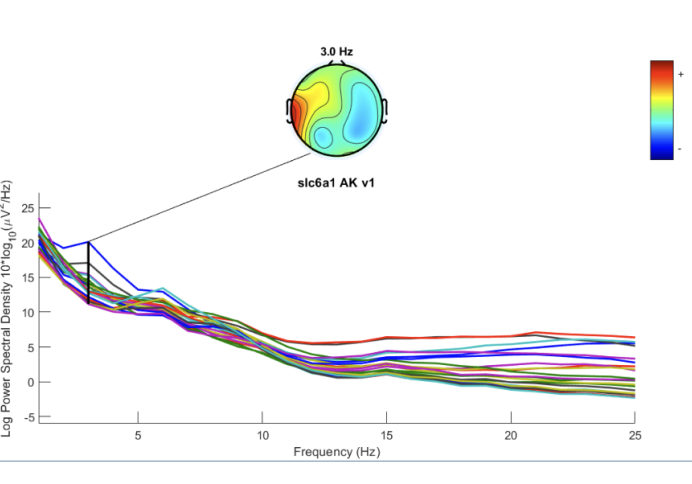
A New Step Forward: What Our EEG Study Is Teaching Us About SLC6A1 — And Where It’s Leading Next
A New Step Forward: What Our EEG Study Is Teaching Us About SLC6A1 — And Where It’s Leading Next By Hamza Dahshi Grab a mug of coffee (or a sippy cup if you’re five) and let’s talk brainwaves, biomarkers, and what they could mean for every family living with SLC6A1-NDD. Before We Dive In: Why…

2024 SLC6A1 Connect Science Symposium Videos Are Now Available
The 2024 SLC6A1 Connect Science Symposium was held on December 5th, 2024, the day before the annual American Epilepsy Society Conference in Los Angeles, California.?Both SLC6A1 researchers and several SLC6A1 families attended the symposium. SLC6A1 Connect is pleased to release 23 videos of presentations from the symposium.? These videos contain parent perspectives and scientific research updates…
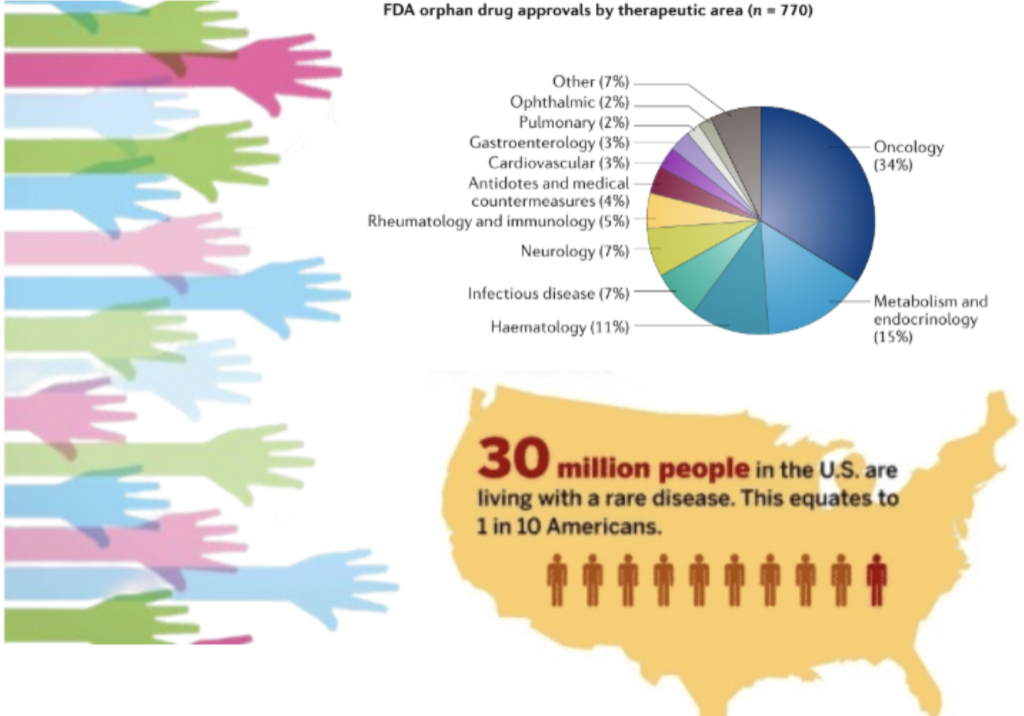
Understanding Rare Diseases Beyond the Numbers
As we continue our exploration of rare diseases, Dr. Sam Patel examines their global impact, diagnostic challenges, and treatment gaps, offering insights for researchers, policymakers, and patient advocates working toward better solutions. Rare diseases may be individually uncommon, but together, they affect an estimated 300 million people worldwide (AllHealthPolicy.org, 2023). In the United States, approximately 25 to…

SLC6A1 Connect and the Challenge of Rare Disease
As we continue our exploration of rare diseases, this article by Dr. Sam Patel, examines the challenges and opportunities in advancing research for rare conditions, providing actionable insights for researchers, policymakers, and patient advocates alike. For decades, rare disease patients and their families have been overlooked by traditional healthcare systems and pharmaceutical markets. Yet, patient advocacy…

Understanding SLC6A1 Disorders: ASOs Screening Using iPSCs
As we continue our series on SLC6A1 gene disorders, this latest blog entry by Dr. Sam Patel explores how induced pluripotent stem cells (iPSCs) and their differentiated progeny are transforming drug screening platforms, with a focus on antisense oligonucleotides (ASOs) as a therapeutic strategy for genetic conditions like SLC6A1-related disorders Understanding Gene Editing and Correction…

Understanding SLC6A1 Disorders: How iPSCs Are Helping Us Find New Treatments
As we continue our series on SLC6A1 gene disorders, Dr. Sam Patel delves into the function and cellular localization of the SLC6A1 gene in this second blog post. SLC6A1-related disorders are rare genetic conditions affecting young children, leading to seizures, developmental delays, and other neurological challenges. These disorders stem from mutations in the SLC6A1 gene,…

Registration begins for the 2024 SLC6A1 Connect International Symposium and Family Conference
We hope you will join us for SLC6A1 Connect’s 2024 International Scientific Symposium and Family Conference to be held on December 5-6, 2024 at the Omni Hotel in Los Angeles, CA, prior to the American Epilepsy Society Annual Meeting. Our International Scientific Symposium will be a full day of clinical updates, scientific presentations and protocols,…
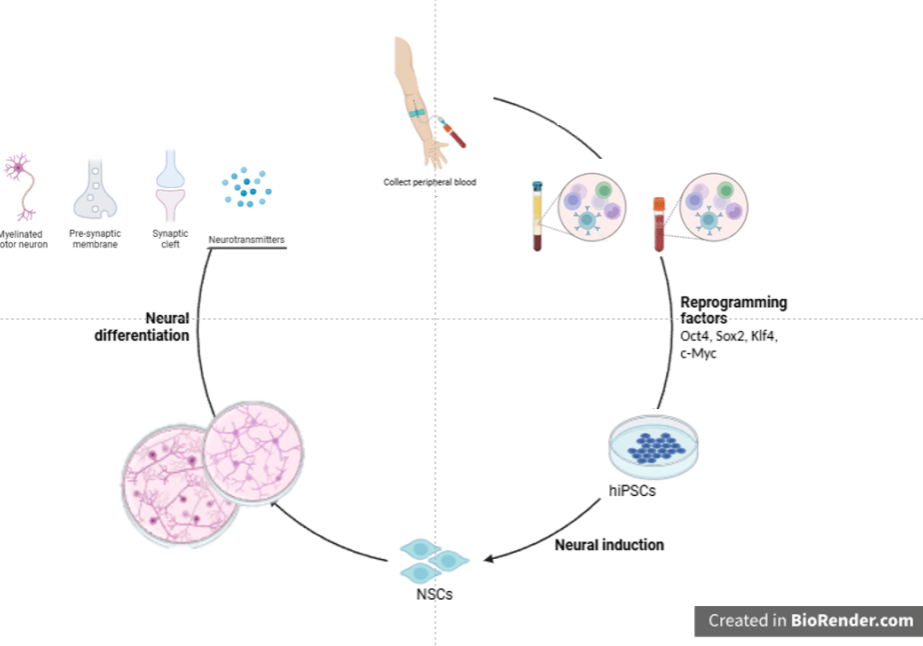
Induced Pluripotent Stem Cells Offer Research Path
Please join SLC6A1 Connect in welcoming the following blog post from Sam Patel, PhD. Dr. Patel is a seasoned stem cell biologist with expertise in developing novel approaches to discover therapeutics for rare conditions, like SLC6A1 gene disorder. We are hopeful that reprogramming adult cells into Induced Pluripotent Stem Cells (IPSCs) will provide a steady source…